South Africa’s Informal Retail Market: 2024 Snapshot
A&A Route to Market leverages 30 years of experience in the Informal Retail Market to facilitate sales opportunities for our clients.
10/25/20241 min read
📊 Market Size & Growth
Valuation: The informal fast-moving consumer goods (FMCG) retail sector is valued at R197 billion in 2023, marking a 6.9% year-on-year growth.
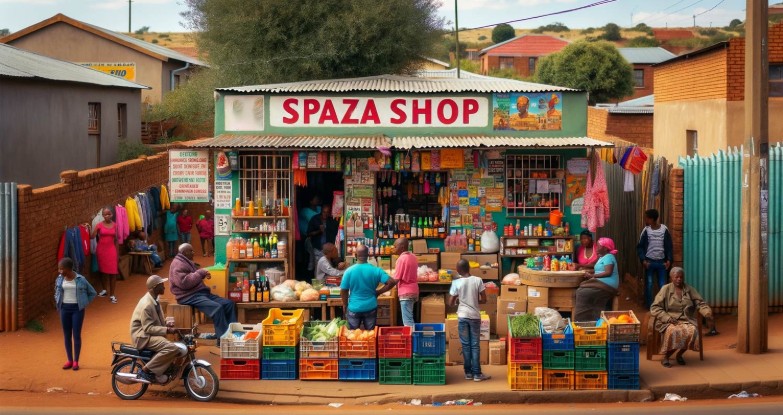
Retail Footprint: Approximately 150,000 spaza shops operate nationwide, serving over 11.1 million regular shoppers.
🛒 Key Players & Distribution
Spaza Shops: These small, often home-based convenience stores are central to township economies.
Street Vendors & Taverns: Complement the retail landscape by offering diverse products and services.
Supply Chains: Predominantly stocked by independent cash-and-carry wholesalers and formal retailers like Shoprite’s Usave, which plans to double its township store count to over 1,000 in the next five years.
💼 Employment & Economic Impact
Job Creation: The informal sector accounts for 18.3% of total employment, with 7.8 million South Africans engaged in informal economic activities.
Growth Projections: By 2030, small retailers are expected to contribute to 70% of all new jobs in the country.
💳 Digital Transformation
Payment Methods: Card acceptance among informal retailers increased from 12% in 2019 to 50% in 2023.
E-commerce Adoption: Approximately 26% of spaza shoppers place orders via online platforms, with WhatsApp being the most prevalent.
📈 Corporate Engagement
Tiger Brands: Expanded its presence from 50,000 to over 71,000 township stores in 2024, aiming for 130,000 stores within five years.
Pargo: Operates over 4,000 pick-up points, including spaza shops, facilitating e-commerce deliveries in underserved areas.
⚠️ Challenges
Crime & Security: Approximately 40% of spaza shop owners cite crime as a primary concern.
Competition: Facing increased competition from formal retailers and foreign-owned informal businesses.